Vampire Erotica Appeal
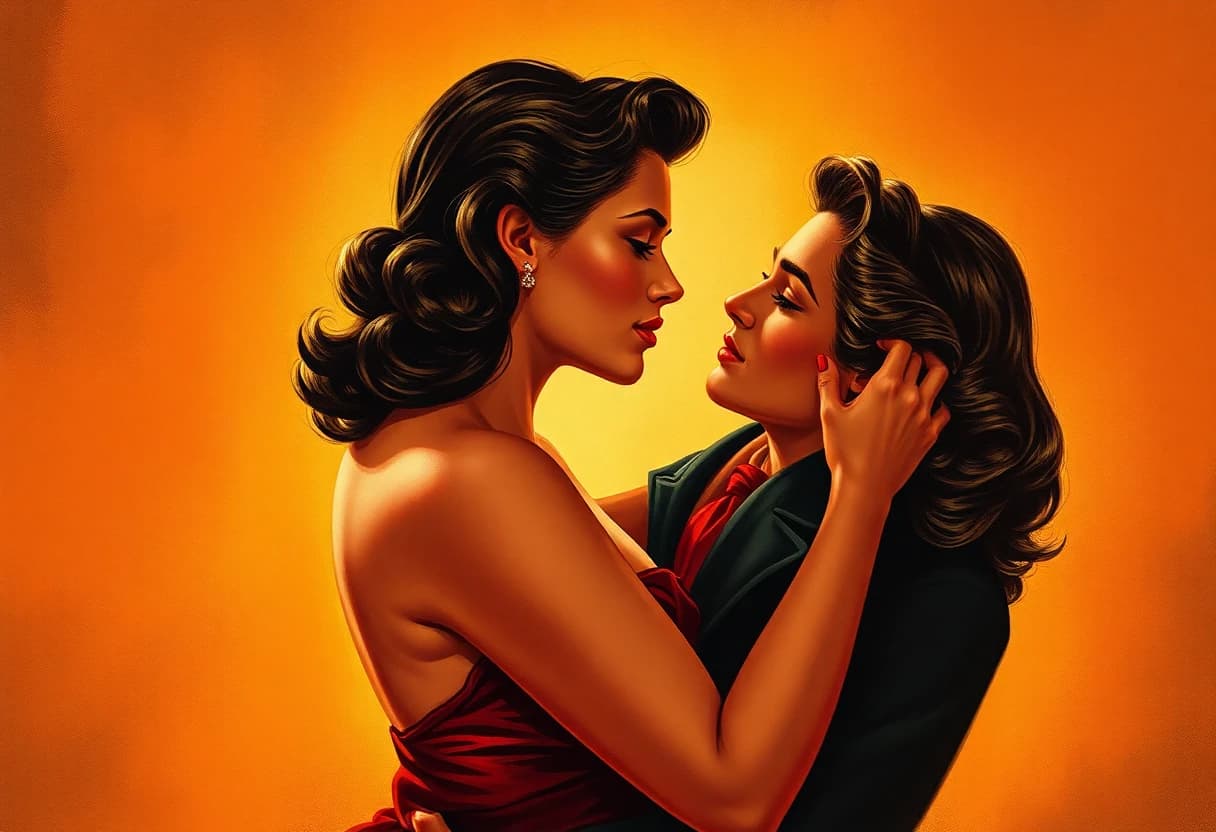
Let’s be honest—there’s something undeniably, deliciously compelling about a vampire. It’s not just the fangs or the immortality. It’s the way they move through the world with a knowing, ancient gaze. It’s the whisper of silk in a dark corridor, the promise of a touch that’s both a threat and a caress. It’s the intoxicating blend of danger and desire, where a bite isn’t just a bite—it’s the ultimate intimate act, a merging of life force and ecstasy. Vampire erotica taps into a primal well of fan
Content
Let’s be honest—there’s something undeniably, deliciously compelling about a vampire. It’s not just the fangs or the immortality. It’s the way they move through the world with a knowing, ancient gaze. It’s the whisper of silk in a dark corridor, the promise of a touch that’s both a threat and a caress. It’s the intoxicating blend of danger and desire, where a bite isn’t just a bite—it’s the ultimate intimate act, a merging of life force and ecstasy.
Vampire erotica taps into a primal well of fantasy. It’s about power exchange wrapped in velvet, surrender with a sharp edge, and love that literally transcends death. Whether you’re here because you devoured Interview with the Vampire and felt a certain kind of way, or you’ve always fantasized about that moment of piercing vulnerability, you’re in the right place. This isn’t about horror; it’s about connection, passion, and exploring the darker, sweeter edges of desire through a timeless lens.
Who knows, you might discover that the fantasy of eternal night speaks to a part of you that craves a love story with higher stakes (pun very much intended). So, pour a glass of something red, get comfortable, and let’s sink our teeth into the immortal appeal of vampire romance and erotica.
What is Vampire Erotica?
At its core, vampire erotica is a subgenre of fantasy romance and erotic fiction that centers the vampire figure not as a monster to be slain, but as a lover, a partner, and a catalyst for intense, transformative desire. The vampire’s inherent traits—their need for blood, their immortality, their supernatural strength and allure—become integral parts of the sexual and emotional dynamic. It’s a playground where human limitations fall away, allowing us to explore themes of power, consent, obsession, and connection in exaggerated, metaphor-rich ways.
Think of it as a specific flavor of Monster Romance Guide, where the "monster" is often sophisticated, tragic, and deeply charismatic. The erotic tension doesn't just come from physical acts, but from the very nature of the vampire's existence: their hunger, their loneliness, their centuries of experience, and the perilous gift they offer.
Let’s clear up some common myths right away:
Myth 1: It’s All About Violent Bloodsucking. While blood exchange (often called bloodplay or vampiric feeding) is a central motif, it’s rarely portrayed as simple violence. In erotica, the bite is almost always consensual and deeply eroticized. It’s framed as an intimate gift, a sharing of essence, or a pleasurable act that can induce euphoria or even orgasm in the recipient. The focus is on the connection, the vulnerability, and the intense sensation, not the gore.
Myth 2: The Human Partner is Always a Powerless Victim. Modern vampire erotica has powerfully subverted this trope. The human (or sometimes, another supernatural being) is often an active, willing participant who holds their own power—whether it’s through their blood, their spirit, their love, or their sheer stubbornness. The dynamic is frequently a complex Power Exchange Dynamics, where who is truly in control can shift deliciously from scene to scene. The human’s mortality and warmth become their strength, a tantalizing contrast to the vampire’s eternal coolness.
Myth 3: Vampires are Always Brooding, Evil, and Male. The genre has exploded with diversity! You’ll find:
- Sunshine Vampires: Charismatic, playful, and adapted to modern life (maybe with magical sunscreen).
- Morally Grey Protagonists: They struggle with their nature but are not outright villains.
- Female and Non-Binary Vampires: Powerful, ancient, and often the seducers rather than the seduced.
- Vampires of Color: Whose stories and mythologies are woven into their immortal identities.
- Queer Vampire Romance: Exploring same-sex and polyamorous dynamics with immortal stakes.
Myth 4: It’s a "Guilty Pleasure" or Less Valid Than Other Romance. Absolutely not. The best vampire erotica tackles profound themes: what it means to be human, the weight of time, the ethics of power, and the nature of consent when one partner is fundamentally different. It’s a valid and rich fantasy space that deserves the same respect as any other genre of romantic or erotic exploration.
The variations are endless. You might explore sweet vampire romance with fade-to-black intimacy, or dark vampire erotica that delves into dubcon, obsession, and primal fear. There are paranormal rom-coms, historical vampire sagas, and sci-fi blends where vampires exist in futuristic societies. The common thread is desire, heightened and complicated by the immortal condition.
A Brief History of Vampire Erotica
Vampire erotica didn’t spring fully formed from the pages of paranormal romance—it evolved, slowly and sensually, like a vampire stalking its prey through centuries of shifting cultural anxieties and desires.
19th-Century Gothic Roots: The genre’s first real pulse came from the Gothic novella Carmilla (1872), which predates Dracula by over two decades. Sheridan Le Fanu’s tale of a female vampire and her obsessive, same-sex seduction of a lonely heiress is steeped in repression, illness, and erotic dread. The bite is never just a bite—it’s a communion of bodies and souls, framed in the language of both horror and longing.
20th-Century Anne Rice Revolution: Fast-forward to 1976: Anne Rice publishes Interview with the Vampire, and suddenly the vampire is no longer a fiend but a philosopher-poet with a broken heart. Rice’s Lestat and Louis are bisexual immortals wrestling with Catholic guilt, existential loneliness, and the erotic charge of blood-sharing. The books openly portray feeding as orgasmic, and turning a lover into a vampire becomes the ultimate act of both murder and marriage. Rice normalized the idea that vampires feel, love, and desire—and that their stories could be high-literary smut.
Twilight Boom & Mainstream Explosion: Stephenie Meyer’s Twilight saga (2005–2008) took the genre supernova. While the books are comparatively chaste, they re-ignited mass hunger for vampire romance, opened the YA paranormal floodgates, and proved that millions of readers—many of them young women—wanted to fantasize about immortal, super-strong lovers who could kill you but won’t. The abstinence metaphor also kicked off a wave of more explicit adult titles eager to deliver the sex scenes Meyer left off-page.
21st-Century Diversity & Kink Renaissance: Post-Twilight, indie publishing, fan-fiction hubs like AO3, and small presses rushed in with queer, BDSM, poly, and kink-focused vampire stories. Suddenly you could find lesbian vampire cowboys, non-binary vampire hackers, and blood-donor D/s contracts written with the same care as real-life kink negotiation. The genre now spans rom-com (Fangs by Sarah Andersen), high-literary erotica (A Dowry of Blood), and explicit BDSM fusion (Club Dead’s many spin-offs).
Why People Love Vampire Erotica
So, what’s the eternal draw? Why does this particular fantasy get our blood pumping (again, pun intended)? Let’s break down a few of the powerful psychological and emotional appeals.
1. The Ultimate Fantasy of Being Desired. There’s something incredibly potent about being chosen across centuries. A vampire, who has seen countless humans come and go, becomes singularly focused on you. Your blood, your scent, your very essence is irresistible to a being of ancient power. As one reader on r/romancebooks put it, "It’s the fantasy of being so compelling that you break through centuries of jaded cynicism. You’re not just attractive; you’re a miracle." This taps into a deep-seated desire to be seen as uniquely special and wanted with an intensity that defies time itself.
2. Safe Exploration of Power and Surrender. The vampire-human dynamic is a perfect container for exploring Power Exchange Dynamics fantasies in a safe, fictional space. The vampire possesses obvious physical and supernatural power. Will they control it? Will they dominate? Or will they worship the human who dares to offer their throat? The human, in turn, gets to explore the thrill of surrendering to a greater force—or the power in choosing to surrender. It’s a dance of dominance and submission where the stakes feel deliciously high, but you can close the book anytime.
3. The Eroticism of the Bite and Blood. The act of feeding is layered with erotic symbolism. It’s penetrative, intimate, and involves a literal exchange of life force. It can symbolize trust, ownership, or the deepest form of bonding. For some, it connects to real-world kinks like bloodplay or edgeplay, offering a fantastical narrative frame. For others, it’s purely metaphorical: the ultimate vulnerability, offering the most intimate part of yourself to your lover’s hunger. The associated sensations—piercing, heat, euphoria, weakness—are described in ways that parallel sexual climax, creating a powerful fusion of acts.
4. The Appeal of the Tragic, Complex Lover. The brooding vampire is a trope for a reason. Immortality often comes with baggage: grief, loneliness, moral fatigue. Loving a vampire means loving someone who is fundamentally damaged by time, and there’s a romantic appeal in being the one who heals them, or at least makes their eternity bearable. It’s the "I can fix him/her/them" fantasy, but with literal centuries of trauma. This allows for stories rich with angst, emotional depth, and hard-won redemption.
5. Freedom from Mortal Constraints. Vampire erotica lets us fantasize about a relationship untethered from everyday worries. No discussions about retirement funds, aging, or mundane schedules. The conflicts are epic: evading vampire hunters, navigating ancient feuds, dealing with the existential crisis of eternity. This escape into a world of heightened drama and passion is a huge part of the appeal. It’s a love story that feels important, because it’s literally about life, death, and what comes after.
Imagine a scenario: You’ve been meeting a captivating stranger at a late-night café for weeks. The conversation is electric. One night, they finally confess, their voice a low hum. "The coffee here is terrible. And I haven’t been able to taste it for three hundred years. But you... I can smell the iron in your blood from across the room. It’s all I can think about." The danger is real, but so is the longing in their eyes. Do you pull away, or do you lean closer, offering your wrist? That moment of choice, charged with fear and desire, is the heartbeat of the genre.
Getting Started with Vampire Erotica
Feeling the pull of the night? Whether you want to write it, read it, or incorporate some vampiric flair into your own bedroom Roleplay, here’s how to take your first steps.
For Readers: Finding Your Bite-Sized Niche. Don’t just grab the first vampire book you see! The genre is vast. Ask yourself:
- What heat level do I want? Sweet & Slow Burn? Explicit Open Door? Dark and Kinky?
- What dynamic appeals to me? Morally grey villain? Protective guardian? Playful seducer?
- Do I want a series or a standalone? Immortal love stories often span multiple books.
Start with these accessible entry points:
- For paranormal romance with heart and humor: Try Molly Harper’s Nice Girls series or Hot Blooded by Heather Guerre (which beautifully integrates consensual feeding as a core part of a relationship).
- For dark, obsessive, and steamy romance: Dive into The Blood Grace series by Vela Roth or the classic Lothaire by Kresley Cole.
- For queer vampire stories: Check out A Dowry of Blood by S.T. Gibson (a polyamorous retelling of Dracula's brides) or The Vampire's Wife by Medina.
- For explicit BDSM-vampire fusion: Try Club Dead by Charlaine Harris (expand into the later books for deeper kink) or Master of the Night by Angela Knight (vampire Doms in a secret club).
- For humorous vampire erotica: The Last Vampire series by R.A. Steffan delivers snarky immortals and laugh-out-loud sex scenes.
- For literary/experimental vampire erotica: Pick up The Gilda Stories by Jewelle Gomez—queer, Afro-futurist, and poetically sensual.
For Writers: Summoning Your Muse. You have a story itching to get out! Start by defining your vampire’s rules. This is world-building 101:
- Sunlight: Deadly, weakening, or just annoying?
- Food: Blood only? Can they eat food for pleasure?
- Creation: How are vampires made? Is it a virus, magic, a curse?
- Society: Do they have covens, courts, or live solitary lives?
Next, focus on the central erotic connection. How does the feeding work? Is it sexual? Spiritual? Painful or pleasurable? How does the human character feel about it—are they afraid, curious, or eagerly addicted? Outline a few key scenes where the vampiric nature directly impacts the intimacy. Remember, the tension between danger and desire is your best tool.
For Roleplayers & Kinksters: Bringing the Fantasy to Life. You can absolutely play with vampiric themes in a real-world dynamic, safely and consensually. This falls under the umbrella of Roleplay and possibly Edgeplay.
- Start with a Conversation: "Hey, I have this fantasy about a vampire scenario. It's not about real blood, but more about the power dynamic and the sensation play. Would you be interested in exploring that with me sometime?" Frame it as a fun, shared imagination game.
- Establish Your "Lore": Decide together: Who's the vampire? What are their "powers" (e.g., hypnosis could be you maintaining intense eye contact and using a commanding voice). What's their "weakness" (e.g., maybe the human has a "holy symbol" that, when held, means the vampire must obey a safe word).
- Simulate the Bite: This is where sensation play shines. Use your teeth (with controlled pressure), vampire fang gag toys (which are blunt and safe), or tools like clothespins or body suckers to create the feeling of piercing and suction on the neck, wrist, or inner thigh. Combine this with temperature play—ice cubes or warm wax can simulate the "life draining" or "euphoric warmth" described in stories.
- Incorporate "Hypnosis" and Power: The vampire can use a mesmerizing voice, slow movements, and physical dominance (pinning wrists, moving the human's body where they want it) to create the feeling of supernatural control. Check out our guide on Sensation Play Basics for more ideas on tools and techniques.
The key is communication, clear boundaries, and aftercare. Coming out of an intense power dynamic or roleplay, especially one with predatory themes, requires cuddles, reassurance, and hydration.
Tips & Techniques for Deeper Immersion
Ready to go beyond the basics? Whether you're consuming or creating, these techniques will heighten the experience.
1. Sensory Overload is Your Friend. Vampires are often described in hyper-sensory terms. Don’t just tell us the vampire is alluring; show us. "His voice wasn't heard; it was felt, a vibration in the marrow of my bones." Describe scents (cold stone, ozone, copper, a fading perfume from a past century), sounds (the absence of a heartbeat, the rustle of antique fabric), and textures (skin cool as marble, silk that whispers of graves). In roleplay, use scented oils, specific music, and textured fabrics (velvet, silk) to build the atmosphere.
2. Play with Time and Memory. A vampire’s long life is a treasure trove for conflict and intimacy. Use flashbacks not just as info-dumps, but as erotic contrasts. "His hands, which had wielded a broadsword in 1242, now undid the tiny buttons of my blouse with infinite patience." The juxtaposition of ancient power and modern, delicate intimacy is incredibly potent.
3. Make the Blood Matter. If feeding is part of your story or play, give the blood meaning. Is it an addiction? A sacred oath? A shameful need? In writing, describe the experience, not just the act. Does it taste like "rusted pennies and lightning"? Does it feel like "drowning in fire"? In role